What Are China Top 10 Types of Smile Enhancement Products?
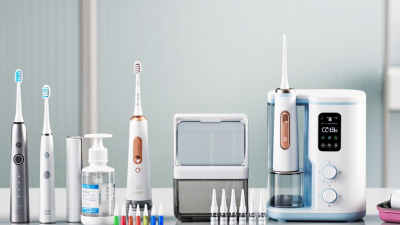
China’s smile enhancement market has expanded beyond ordinary toothpaste and manual brushes. It now includes whitening strips, whitening pens, LED mouth trays, polishing toothpaste, electric toothbrushes, water flossers, dental floss, enamel-care formulas, mouth rinses, and removable cosmetic aligners. These products address different concerns, from surface stains after tea to plaque collecting between crowded teeth. They are not interchangeable.
This guide examines ten common product types found in China’s consumer market. It considers their purpose, ingredients, usage patterns, design, and practical limitations. A whitening strip may suit occasional coffee stains, while a water flosser can help clean difficult spaces. LED devices may improve the user experience, but their results depend on the whitening formula and correct application. The light itself is not a guarantee.
Evidence matters. Reliable manufacturers should provide clear ingredient lists, usage instructions, batch information, and appropriate safety testing. Products should also follow applicable regulations in their intended markets. Strong claims deserve careful checking. “Instant” results can be attractive, yet sensitivity or uneven color may appear after careless use.
Professional advice remains valuable, especially for damaged enamel, gum bleeding, fillings, or persistent tooth discoloration. A product can improve appearance without correcting an underlying dental problem. That distinction is easy to miss.
The following overview compares these ten categories through a practical lens. It highlights where each option may help, where it may disappoint, and what buyers should verify before purchase. The market is developing quickly. Some claims still need stronger independent evidence.
What Is Smile Enhancement and Why Does It Matter in China?
Smile enhancement in China means more than creating a brighter appearance. It can include whitening products, electric toothbrushes, flossers, aligners, tongue cleaners, and sensitivity-care products. The purpose is practical: cleaner teeth, fresher breath, improved confidence, and better daily oral habits.
The World Health Organization’s Global Oral Health Status Report (2022) estimates that oral diseases affect nearly 3.5 billion people worldwide. China’s Fourth National Oral Health Survey also reported dental caries in 88.1% of adults aged 35–44 and 98.0% of adults aged 65–74. These figures show why smile enhancement should begin with prevention, not appearance alone. A brighter smile is not automatically a healthier one. Product claims also need careful checking, especially when online reviews replace professional advice.
Tips: Choose products with clear ingredients, usage instructions, and recognized safety testing. Use whitening products cautiously if you have sensitivity, gum bleeding, fillings, or untreated decay. Dentists can identify problems that a mirror may miss. The weak point is measurement: shade changes are visible, but gum health is harder to notice. A practical routine might include brushing twice daily, cleaning between teeth, and arranging regular dental examinations. Yet many consumers, including me, may focus too heavily on fast visual results. That habit deserves reconsideration.
China’s Top 10 Smile Enhancement Product Types
Indicative typical consumer price midpoint in mainland China (RMB per item or package)
Smile enhancement in China includes daily oral-care products, whitening solutions, and appearance-focused dental appliances.
Electric toothbrushes, water flossers, and at-home whitening products generally have higher purchase prices, while toothpaste, floss,
mouthwash, and interdental brushes remain more accessible for everyday use. Prices are indicative retail midpoints and do not represent
company sales, market share, or clinical treatment fees.
What Are the Top 10 Types of Smile Enhancement Products in China?
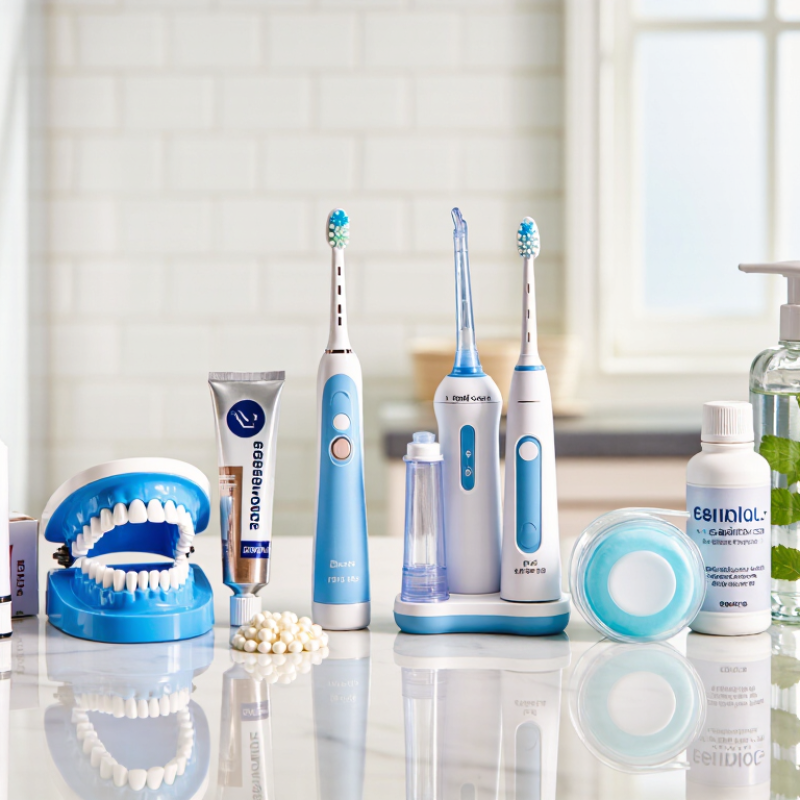
China’s smile enhancement market includes more than whitening products. The most common ten types are whitening toothpaste, electric toothbrushes, water flossers, interdental brushes, mouthwash, whitening strips, whitening pens, LED whitening kits, enamel-care toothpaste, and aligner-cleaning tablets. These products appear widely in Chinese pharmacies, dental clinics, and online marketplaces. Each serves a different purpose. A soft electric toothbrush may improve brushing consistency, while interdental brushes reach narrow spaces that regular bristles often miss.
Whitening toothpaste usually removes surface stains from tea, coffee, and tobacco. It does not dramatically change natural tooth color. Whitening strips and pens offer targeted cosmetic treatment, but users should check peroxide levels and usage instructions. LED kits may improve convenience, yet light alone cannot repair enamel or deep discoloration. Water flossers can help clean around braces and dental work. Mouthwash supports freshness, but it cannot replace brushing and flossing. Enamel-care toothpaste may contain fluoride or hydroxyapatite, depending on the formula.
This list reflects common product categories, not a perfect sales ranking. Consumer preferences change quickly across Chinese cities and age groups. I have also found that attractive packaging can distract from ingredient quality. Tooth sensitivity is easy to underestimate. People with cavities, gum bleeding, restorations, or orthodontic appliances should seek professional advice before whitening. A practical routine often works better than buying every product: brush twice daily, clean between teeth, and use cosmetic products cautiously. Results vary. That part deserves more honesty.
How Do These Products Differ in Uses, Benefits, and Limitations?
China’s smile-enhancement market includes ten common product types, each serving a different purpose. Whitening toothpaste removes surface stains, but it cannot change deep discoloration. Whitening strips offer stronger brightening, although uneven placement may leave patchy results. Whitening pens suit quick touch-ups, yet their coating wears away quickly. Whitening trays hold gel against teeth for longer contact, but sensitive users may feel sharp discomfort.
LED whitening kits add light to home treatments. Their benefit can be modest, and results depend heavily on the gel used. Electric toothbrushes improve plaque control through timed brushing and pressure sensors. They still cannot replace careful technique. Water flossers clean around braces and implants, while interdental brushes may remove stubborn food more precisely. The wrong brush size can irritate gums. Desensitizing gels may reduce treatment discomfort, but they do not repair cavities or treat gum disease.
Clear aligners can gradually improve mild tooth crowding under professional supervision. They require consistent wear and may fail when the bite is complex. Remineralizing toothpaste supports weakened enamel with repeated use, but it cannot rebuild lost tooth structure. In practical comparisons, comfort, evidence, ingredient transparency, and aftercare matter more than dramatic claims. A dentist should check unexplained stains, bleeding, or pain before cosmetic treatment. I sometimes underestimate how quickly users abandon products that feel inconvenient. That limitation deserves honest attention.
How Can Consumers Choose the Right Smile Enhancement Product?
China’s smile-enhancement market includes ten common product types: whitening toothpaste, whitening strips, whitening gels, LED whitening kits, desensitizing toothpaste, electric toothbrushes, manual toothbrushes, water flossers, dental floss, and mouthwash. The right choice depends on the problem, not the product’s popularity.
The Fourth National Oral Health Survey of China, conducted from 2015 to 2017, reported caries prevalence of about 89% among adults aged 35–44. It also found dental calculus in approximately 96.7% of this group. These figures support a cleaning-first approach. Consumers with plaque or calculus should consider soft-bristle brushes, fluoride toothpaste, and interdental cleaning. Whitening products cannot remove calculus or repair cavities. A dental examination is more reliable than a mirror check.
Sensitivity changes the decision. Choose low-abrasion toothpaste and stop whitening if sharp pain develops. Check Chinese labeling, ingredient information, usage limits, and approved product claims. Electric brushes may help users who brush too quickly, but technique still matters. Water flossers can feel easier around braces or implants, although they do not replace professional cleaning. A brighter smile is not automatically a healthier smile. Many buying guides simplify this point too much. When gums bleed repeatedly, home products should not delay professional care. Recognized dental guidance also emphasizes fluoride, regular brushing, and daily interdental cleaning over dramatic short-term whitening.
 362 five star Google reviews
 193 five star Yelp reviews