(310) 530-7011 Contact Us

Follow Us

How to Get a Healthy Smile Tips for Healthy Teeth?

A healthy smile is built through small, repeatable choices, not a dramatic whitening routine. The most reliable healthy smile tips focus on preventing decay and gum problems while keeping daily care comfortable. Brush twice a day for two minutes with fluoride toothpaste and a soft-bristled brush. Pay attention to the gumline and the backs of your teeth, where plaque can linger. Small habits matter. Clean between your teeth each day with floss or an interdental cleaner that fits comfortably. If your gums bleed often, do not simply ignore it; ask a dental professional what may be causing it.

Food and drink choices also shape oral health. Frequent sugary snacks and sweetened drinks give cavity-causing bacteria more opportunities to produce acid. Water, especially after meals, can help rinse away food particles, though it does not replace brushing. Replace a worn or frayed toothbrush, and choose products suited to your needs, particularly if you have sensitive teeth or existing dental work. That takes practice. A routine may need adjusting when schedules change, and even careful brushing cannot prevent every problem.

Regular dental visits allow a dentist to check for issues that may not be obvious at home and to recommend care based on your history. Seek advice sooner for persistent pain, swelling, or bleeding. No single tip guarantees perfect teeth, and that is worth remembering. The goal is a clean, comfortable mouth and a routine you can maintain—not a flawless-looking smile at any cost.
How to Get a Healthy Smile Tips for Healthy Teeth?

What Keeps Teeth and Gums Healthy

Healthy teeth and gums need steady care, not a perfect routine. Brush twice a day for two minutes with fluoride toothpaste, reaching the gumline and the backs of your teeth. Use gentle, small strokes; scrubbing hard can irritate gums and wear tooth surfaces over time. Spit out the toothpaste after brushing rather than rinsing right away. It can feel odd at first.

Tips: Clean between your teeth once a day with floss or an interdental brush that fits comfortably. Replace a frayed toothbrush, and choose soft bristles. Sip water after meals, especially when brushing is not practical. Sugary drinks and frequent sweet snacks give mouth bacteria more chances to produce acids, so keep them occasional. Small habits add up.

Healthy gums should not regularly bleed, swell, or feel sore. A little bleeding can happen when you start flossing, but ongoing bleeding deserves attention from a dentist. Regular checkups can identify problems early, even when nothing hurts. Your needs may differ because of medications, dental work, or health conditions, so ask a dental professional for advice suited to you.

How to Brush and Clean Between Teeth

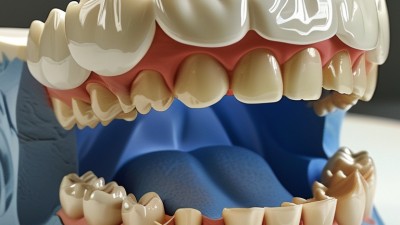
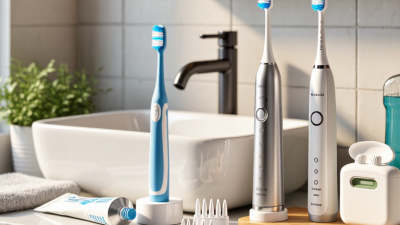
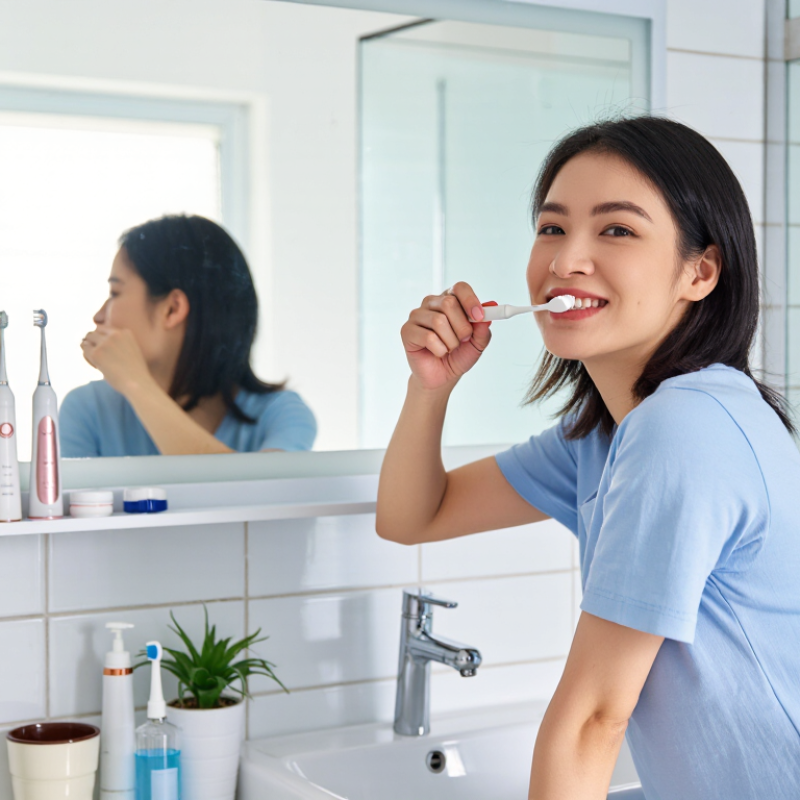
Brushing well is less about force and more about reaching every surface. Use a soft-bristled toothbrush and fluoride toothpaste, then brush gently for two minutes, morning and night. Hold the brush at a slight angle toward the gumline, and use small movements along the outer, inner, and chewing surfaces. Brush your tongue lightly, too. Gentle pressure works. Scrubbing hard can irritate gums and wear tooth surfaces over time. It is easy to rush the back teeth, especially when mornings feel busy, so slow down and check that each area gets attention.

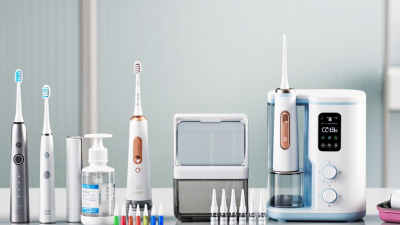
Cleaning between teeth removes plaque a toothbrush cannot reach. Do it once a day with floss or an interdental brush that fits comfortably. With floss, guide it gently between teeth, curve it around each tooth, and move it up and down beneath the gumline without snapping. For wider gaps, an appropriately sized interdental brush may be easier; never force it into a tight space. Small details matter. A little bleeding can occur when gums are inflamed, but persistent bleeding, pain, or swelling deserves a dental check. Technique can take practice, and the best tool is the one you can use carefully every day.

How Food and Drinks Affect Tooth Health

How Food and Drinks Affect Tooth Health

A tooth-friendly diet is not about avoiding every sweet thing. It is about noticing how often teeth meet sugar and acid. Mouth bacteria use sugars from foods and drinks, producing acids that can weaken enamel. Frequent exposure gives saliva less time to help neutralize those acids. Small choices matter.

A sweetened coffee sipped through the morning keeps exposing teeth, even if it is finished slowly. Soda and citrus drinks can also be acidic; “sugar-free” does not always mean gentle on enamel. Try having them with a meal instead of nursing them for hours. Water between sips helps rinse the mouth. After something acidic, rinse with water and wait about 30 minutes before brushing.

Snacks matter, too. Sticky sweets can cling in the grooves between teeth, while crunchy vegetables or cheese are less likely to leave sugary residue. Plain milk and water are generally kinder everyday choices than sweet drinks. Still, perfect eating is unrealistic. A rushed day may bring a sweet snack, and that alone need not define your dental health. Pay attention to the pattern: frequent grazing, bedtime drinks, or sipping juice all afternoon can quietly add up. Fluoride toothpaste and regular dental care remain important, because food choices are only part of the picture.

Free Sugars and Tooth Health

For a 2,000-calorie diet, the WHO recommends keeping free sugars below 50 g per day and suggests aiming below 25 g for additional health benefits. Free sugars in foods and drinks can contribute to tooth decay; limiting how often you consume them also helps protect teeth.

When to Get Dental Checkups and Preventive Care

A dental checkup can catch small problems before they become painful or costly. Many people are advised to visit about every six months, but that interval is not right for everyone. Your dentist may suggest more frequent visits if you have a history of cavities, gum disease, dry mouth, or other risk factors. At an appointment, the dental team checks your teeth and gums, removes hardened plaque when needed, and may recommend X-rays based on your symptoms and dental history.

Tips: Book your next visit before leaving the clinic. Brush twice daily with fluoride toothpaste, and clean between your teeth once a day. Tell the dentist about new sensitivity, bleeding gums, or medicines that cause a dry mouth. Small details matter.

It is easy to postpone a checkup when nothing hurts; I have caught myself thinking that way. Yet early gum disease may cause few obvious symptoms. Ask what preventive care fits your needs, such as fluoride treatment or sealants, and when you should return. If you miss an appointment, reschedule rather than waiting for discomfort. A calendar reminder helps, though it is not foolproof.

How to Spot Dental Problems and Seek Care

A dental problem may start quietly. Watch for tooth pain that returns, sensitivity to hot or cold drinks, bleeding gums, or a sore spot that does not heal. A small dark mark or a chipped edge can also deserve attention. These signs do not confirm a specific condition, but they are good reasons to arrange a dental checkup. Don’t wait for severe pain.

Notice how long symptoms last and what triggers them. For example, jot down whether cold water causes a quick twinge or lingering pain. Tell the dental professional about swelling, bad breath that persists, loose teeth, or changes in your bite. An examination, and sometimes an X-ray, can help identify problems that are not visible at home. Avoid trying to diagnose yourself from a mirror; lighting can be misleading, and I have missed things that seemed obvious later.

Seek prompt dental care for worsening pain, facial swelling, or a broken tooth. Swelling with fever needs urgent attention. Trouble breathing or swallowing is an emergency; seek immediate medical help. While waiting for an appointment, keep the area clean and follow the clinician’s advice. It can feel awkward to call about a “small” symptom. Call anyway.

Skip footer

Join our dental family today.

Torrance DentistryDr. Steve & Daniel Yabuno

Address

3500 Lomita Blvd #103
Torrance, CA 90505

Opening Hours

  • Monday: 8:00 am - 5:30 pm
  • Tuesday: 8:00 am - 5:30 pm
  • Wednesday: 8:00 am - 5:30 pm
  • Thursday: 8:00 am - 5:30 pm
  • Friday: 8:00 am - 2:00 pm
  • Saturday: 8:00 am - 2:00 pm

Phone

(310) 530-7011

Follow Us