How to Choose General Dental Care Products in 2026?
Choosing general dental care products in 2026 requires more than comparing bright packaging and discounted prices. A useful selection begins with daily habits, oral health needs, and advice from a qualified dental professional. Toothpaste, toothbrushes, floss, interdental brushes, and mouthwash each serve different purposes. The best choice should fit your mouth, routine, sensitivity level, and budget.
This guide will examine product labels, fluoride content, brush softness, ergonomic design, and evidence-based claims. It will also consider practical details, such as whether a toothbrush reaches back molars or whether floss slides comfortably between crowded teeth. Trusted dental organizations and licensed dentists remain valuable sources when product marketing becomes confusing. Regulatory approval can support safety, but it does not guarantee that every product suits every person.
Personal experience matters, but it can mislead. A whitening toothpaste may feel effective while causing sensitivity after several days. An electric toothbrush may improve consistency, yet some users may dislike its vibration or charging routine. There is no universal shelf of perfect products. Even professional recommendations need personal review, especially for children, braces, gum disease, dry mouth, or recurring dental pain. This introduction sets a careful framework for comparing modern options without treating advertising as clinical evidence. Readers should question bold promises, check current guidance, and consult a dentist when symptoms persist. Small choices can matter. Reliability matters more.
Define Your Oral Care Needs and Daily Hygiene Goals
Choosing general dental care products in 2026 should begin with your mouth, not a shopping list. Define your oral care needs and daily hygiene goals first. The World Health Organization’s Global Oral Health Status Report estimates that 2.5 billion people have untreated tooth decay in permanent teeth. That figure makes prevention practical, not optional.
Look closely at your routine. Do your gums bleed when brushing? Do cold drinks cause sharp pain? Are braces, dry mouth, or frequent snacking part of your day? Choose a fluoride toothpaste for cavity protection, a soft-bristled brush, and an interdental cleaner that fits comfortably. The Centers for Disease Control and Prevention recommends brushing twice daily and cleaning between teeth regularly. A two-minute timer can help, especially during rushed mornings.
Your bathroom shelf should support real behavior. Keep the brush where you can see it. Replace it when bristles bend, usually around three months. If flossing feels awkward, a small interdental brush may be easier to use consistently. I sometimes overestimate my discipline and buy products I rarely use. That is worth questioning. Persistent bleeding, pain, swelling, or dry mouth needs professional assessment, because product changes alone may hide a deeper problem. The WHO also reports that untreated oral conditions affect billions worldwide, while access to professional care remains uneven.
How to Choose General Dental Care Products in 2026?
Define your oral-care needs and daily hygiene goals before selecting products.
A practical starting point is brushing twice daily with fluoride toothpaste, cleaning between teeth once daily, and replacing a toothbrush or brush head about every three to four months. Choose specialized products only when your needs—such as sensitivity, orthodontic appliances, dry mouth, or gum concerns—require them. Professional check-up frequency should be personalized by a dental professional.
Compare Toothbrushes, Toothpaste, Floss, and Rinses
How to Choose General Dental Care Products in 2026?
Compare Toothbrushes, Toothpaste, Floss, and Rinses
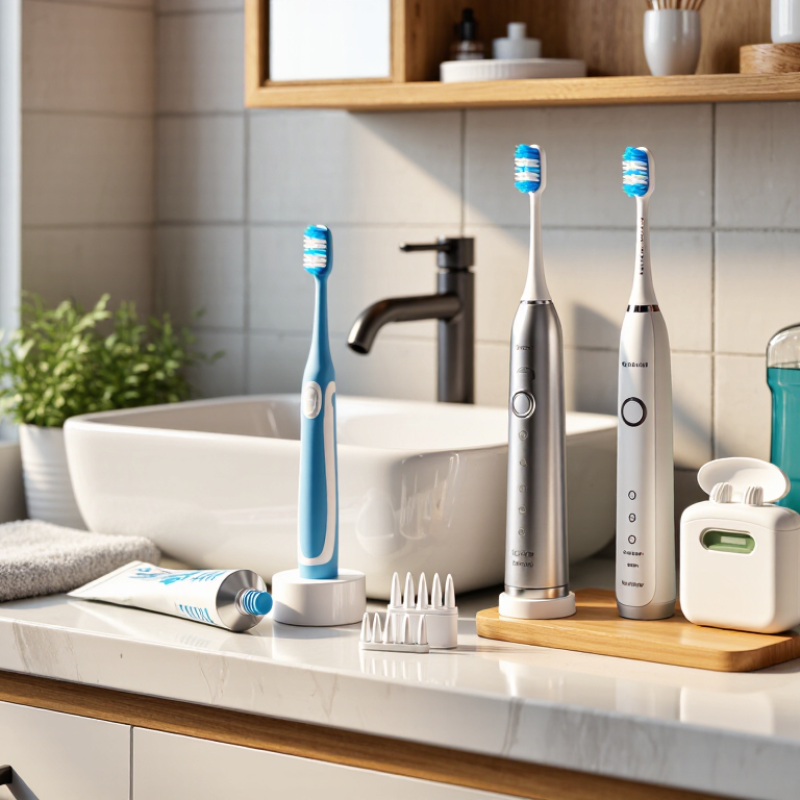
A good toothbrush should feel gentle, not harsh. Choose soft bristles and a small head for better access around back teeth. Manual and powered brushes can both work well when used for two minutes. Pressure sensors may help, but technique still matters.
My first mistake was brushing harder when my gums bled. That only made irritation worse.
Toothpaste should usually contain fluoride, which helps strengthen enamel and prevent cavities. Check the fluoride level on the label, especially when buying products for children. Whitening formulas can remove surface stains, but they may increase sensitivity for some people.
If cold drinks cause pain, a sensitivity-focused toothpaste may be more practical than a stronger whitening formula. Ask a dental professional when discomfort continues.
Floss removes plaque from spaces a brush cannot reach. Traditional floss suits tight contacts, while interdental brushes can help with wider gaps or braces. Use a clean section for each space, and guide it gently below the gumline.
Rinses are optional, not replacements for brushing and cleaning between teeth. An alcohol-free rinse may feel more comfortable, but ingredients matter more than a strong sensation. Do not swallow it.
Product claims can sound convincing, yet personal fit is easy to overlook. A dentist or hygienist can identify bleeding, dry mouth, or enamel wear and suggest a more suitable routine.
Evaluate Ingredients, Safety Standards, and Product Claims
How to Choose General Dental Care Products in 2026?
Evaluate Ingredients, Safety Standards, and Product Claims
Choosing dental products should begin with evidence, not attractive packaging. The World Health Organization’s Global Oral Health Status Report (2022) estimates that nearly 3.5 billion people live with oral diseases. Untreated cavities remain widespread. Therefore, daily prevention deserves careful product selection.
Check the active ingredients and their concentrations. Fluoride toothpaste usually provides 1,000–1,500 ppm fluoride for routine cavity prevention, supported by Cochrane evidence. People with sensitivity may consider products containing potassium nitrate or arginine, but results differ between users. Look for clear directions, batch information, expiry dates, and regulatory approval. International standards, such as ISO 11609 for dentifrices and ISO 20126 for manual toothbrushes, can support manufacturing quality. However, certification does not prove every marketing claim. “Natural” does not automatically mean safer, either.
Tips: Read the full ingredient list. Treat “clinically proven” as a question, not a conclusion. Search for the study behind the claim. A small trial may sound impressive while offering weak evidence. Test one new product at a time, and stop if irritation appears. A soft brush, gentle pressure, and two minutes of cleaning matter more than clever packaging. I have found product comparisons imperfect because individual diets, saliva, brushing habits, and dental history change outcomes. A dental professional can help when bleeding, persistent sensitivity, or enamel damage continues.
Match Products to Age, Sensitivities, and Dental Conditions
Choosing general dental care products in 2026 should begin with the person, not the packaging. Children need a soft, small-headed toothbrush and age-appropriate fluoride toothpaste. Use only a smear for toddlers and a pea-sized amount for older children. Supervise brushing until they can rinse safely. Adults usually benefit from fluoride toothpaste, gentle brushing, and daily cleaning between teeth. Small changes matter.
Sensitive teeth need a careful approach. Choose a soft-bristled brush and avoid forceful scrubbing. Toothpaste containing established desensitizing ingredients may reduce discomfort over time. However, sharp or persistent pain needs a dental examination. It may signal decay, a cracked tooth, or gum recession. Whitening products can worsen sensitivity, especially when used too often. That is an easy mistake to make.
Dental conditions also change product choices. People with braces may need interdental brushes or specialized floss tools. Those with dry mouth may require alcohol-free rinses and regular water intake. Patients with gum disease should follow a dentist’s cleaning plan rather than rely on mouthwash alone. Older adults may need an electric toothbrush with a larger handle. This can help when grip strength decreases.
Product labels matter, but they cannot replace professional assessment. No routine is perfect, and personal habits often need adjustment after symptoms, medication changes, or dental treatment.
Check Labels, Value, Sustainability, and Professional Guidance
Choosing general dental care products in 2026 starts with the label, not the package. Look for active ingredients, fluoride concentration, directions, warnings, expiry dates, and sealed packaging. A familiar claim can sound scientific without offering useful evidence. Check whether qualified dental professionals or recognized health authorities support it. Your mouth may need something different. Sensitivity, dry mouth, gum bleeding, braces, or frequent cavities can change the safest choice. A dentist or dental hygienist can assess these concerns more accurately than online reviews.
Value means cost per use, not simply the lowest shelf price. A large tube may create waste if its opening causes overuse. Check brush replacement guidance, refill availability, durability, and storage needs. I once chose a strongly flavored product because it seemed more effective. It irritated my mouth, and I stopped using it. That shortcut was not wise. Professional advice later helped me select a milder option and improve my routine.
Sustainability also deserves careful checking. Recyclable packaging sounds helpful, but local recycling systems may not accept every material. Durable handles and replaceable parts can reduce waste, if they remain hygienic and comfortable. Avoid vague environmental promises without clear details. Small details matter. I still find these choices confusing sometimes, especially when convenience conflicts with waste reduction. Asking a dental professional, reading the full label, and considering actual daily use can prevent an expensive mistake.
How to Choose General Dental Care Products in 2026? - Check Labels, Value, Sustainability, and Professional Guidance
| Product Category | Evidence-Based Purpose | Label Checks | Value and Usage Considerations | Sustainability Checks | Professional Guidance | Typical Replacement or Review Point |
|---|---|---|---|---|---|---|
| Fluoride Toothpaste | Helps strengthen enamel and reduce the risk of tooth decay when used regularly. | Look for sodium fluoride, stannous fluoride, or sodium monofluorophosphate. Adult-strength toothpaste commonly contains approximately 1,350–1,500 ppm fluoride. | Compare fluoride concentration and the amount used, rather than tube size alone. Brushing twice daily with a pea-sized amount is generally sufficient for adults. | Prefer recyclable packaging where local facilities accept it. Avoid choosing products solely because of “natural” claims if fluoride protection is absent. | Children’s fluoride concentration and quantity should follow local dental guidance and the child’s age and decay risk. | Review the product if irritation, sensitivity, or persistent dental problems occur. |
| Manual Toothbrush | Removes plaque from accessible tooth surfaces and the gumline through controlled brushing. | Choose soft bristles and a head size that reaches the back teeth comfortably. A clear bristle design and an easy-grip handle can support proper technique. | A low-cost soft-bristled brush can be effective when used for about two minutes twice daily. Features that improve comfort and technique may provide better value than decorative additions. | Consider replaceable-head designs or handles made with durable materials. Check whether used heads or handles are accepted by local recycling programs. | A dental professional can recommend a suitable head size or brushing technique for braces, gum recession, or limited dexterity. | Replace about every 3–4 months, or sooner when bristles become frayed or after certain illnesses if advised. |
| Powered Toothbrush | Can support consistent plaque removal, especially for people who find manual brushing difficult. | Check for a two-minute timer, pressure control, and replacement-head availability. Confirm that the brush is suitable for the user’s dexterity and sensitivity. | Compare the total cost of the handle, charger or batteries, and replacement heads over one year. A basic model with useful guidance features may be sufficient. | Prefer durable rechargeable designs, long-lasting batteries, and replaceable heads. Dispose of batteries and electronic parts through appropriate collection systems. | Ask a dental professional about pressure settings if there is gum recession, enamel wear, or sensitivity. | Replace the brush head about every 3 months or when bristles are worn; review battery performance as needed. |
| Interdental Brush | Cleans plaque and food debris between teeth and around bridges, implants, or orthodontic appliances. | Select a size that fits snugly without forcing. The wire should not scrape the gums or damage dental work. | The correct size is more important than buying a large multi-pack. One brush may be suitable for some spaces, while several sizes may be needed for others. | Choose durable handles and packaging with minimal unnecessary material. Follow local disposal guidance for used brush heads and wires. | A dental professional or hygienist should help determine the correct sizes, particularly around implants, crowns, and braces. | Replace when the bristles bend, the wire becomes rough, or cleaning effectiveness declines. |
| Dental Floss or Tape | Helps clean tight tooth contacts that a toothbrush cannot reach. | Check thickness, texture, and ease of insertion. Waxed or tape-style floss may be more comfortable for tight or crowded contacts. | The best-value option is one that can be used consistently without shredding or causing discomfort. Daily interdental cleaning is more important than choosing a premium format. | Consider packaging with less plastic and responsibly sourced fibers where credible information is available. Do not flush floss, as it can contribute to plumbing or wastewater problems. | If floss repeatedly catches, shreds, or causes bleeding, request a professional assessment and technique review. | Replace the dispenser when empty or contaminated; use a clean section for each tooth contact. |
| Fluoride Mouthrinse | Can provide additional fluoride exposure for people at elevated risk of tooth decay. | Check the fluoride concentration, usage directions, alcohol content, and age restrictions. It should not replace brushing and interdental cleaning. | Compare the recommended daily volume and frequency rather than bottle size. Avoid rinsing with water immediately after brushing if the product instructions advise otherwise. | Choose concentrated or refillable formats when practical, and recycle the container according to local rules. | Use should be discussed with a dental professional for children, people with dry mouth, or those using prescription fluoride. | Reassess continued use during routine dental visits or if mouth dryness or irritation develops. |
| Sensitivity Toothpaste | May reduce dentine sensitivity when used consistently and when the underlying cause is addressed. | Look for active ingredients such as potassium salts, stannous fluoride, or arginine, depending on local regulations. Follow the directions for frequency and application. | Judge value by symptom improvement over several weeks, not by the number of cosmetic claims. Continued pain should not be managed only by changing toothpaste. | Use the smallest effective amount and select standard recyclable packaging where available. Avoid excessive product switching that creates unnecessary waste. | Persistent, severe, localized, or spontaneous pain requires professional evaluation because decay, cracks, or gum disease may be involved. | Review effectiveness after approximately 2–4 weeks or sooner if symptoms worsen. |
| Whitening Toothpaste | Usually removes some surface stains; it does not reliably change the natural internal color of teeth. | Check whether the product relies on mild abrasives or a peroxide ingredient. Be cautious with strong whitening claims and unclear ingredient information. | Compare expected stain removal with the risk of sensitivity or abrasive wear. Professional advice may be more cost-effective for deep discoloration or restorations. | Choose appropriately sized packaging and avoid products that require frequent replacement solely for cosmetic results. | Consult a dental professional before whitening if there are cavities, gum disease, enamel defects, pregnancy concerns, or visible restorations. | Stop and seek advice if sensitivity, gum irritation, or rough tooth surfaces develop. |
| Denture-Care Products | Help remove deposits and odors while protecting removable dentures from damage. | Use a denture cleanser specifically labeled for removable appliances. Avoid hot water and abrasive household cleaners, which can distort or scratch dentures. | Compare the required soaking time, dose per use, and compatibility with the denture material. Clean the mouth and gums as well as the appliance. | Follow dosage instructions to reduce chemical waste and select packaging accepted by local recycling systems. | Dentures should be checked professionally if they cause sore spots, become loose, or affect chewing or speech. | Have fit and condition reviewed regularly; replace or reline only after professional assessment. |
| Oral-Care Storage and Travel Items | Help keep dental tools clean, dry, and protected during storage or travel. | Choose ventilated cases that allow a toothbrush to dry. Avoid sealed wet storage for extended periods because moisture can support microbial growth. | Durable, washable items generally offer better long-term value than disposable travel accessories. | Prefer reusable cases made from durable materials and avoid unnecessary single-use packaging. | Replace or clean storage items if they become visibly dirty, cracked, or persistently damp. | Clean regularly and replace when ventilation, hygiene, or structural integrity is compromised. |
General information only: product selection should be adapted to age, oral-health status, medical conditions, medications, and advice from a qualified dental professional.
Related Posts
-
China Top Dental Wellness Solutions for Global Buyers?
-
What are the Best Practices for Dental Wellness?
-
China Top Natural Smile Aesthetics Manufacturers?
-
Why Is Dental Treatment Planning Crucial for Successful Outcomes?
-
What Are the Top Dental Health Tips?
-
How to Source the Best Family Dental Care Products
362 five star Google reviews
193 five star Yelp reviews