Top 10 Dental Maintenance Tips for a Healthy Smile
A healthy smile is built through small, repeatable choices, not occasional bursts of effort. The best dental maintenance tips fit naturally into your morning and evening routine. Brushing twice daily with fluoride toothpaste helps remove plaque before it hardens into tartar. Cleaning between teeth reaches areas your toothbrush cannot touch. Even a careful brusher can miss the back molars.
Professional dental care adds another layer of protection. Dentists and dental hygienists can identify early decay, gum inflammation, worn enamel, and other concerns during examinations. Their advice should reflect your age, medical history, diet, medications, and brushing habits. A standard routine may not suit everyone. Children, older adults, people with braces, and patients with dry mouth often need different strategies.
This guide explores ten practical habits for protecting your teeth and gums. It covers brushing technique, flossing, fluoride, balanced snacks, water intake, mouthguard use, and regular dental visits. You will also find reminders about replacing worn toothbrushes and noticing changes such as bleeding gums or persistent sensitivity. These signs do not always indicate serious disease, but ignoring them can delay useful care. I have learned that consistency matters more than perfection, although many people—including me—sometimes rush an evening brushing session. That small weakness deserves attention, not denial. A healthier smile usually begins with one better choice tonight.
Establish a Consistent Daily Brushing and Flossing Routine
Top 10 Dental Maintenance Tips for a Healthy Smile
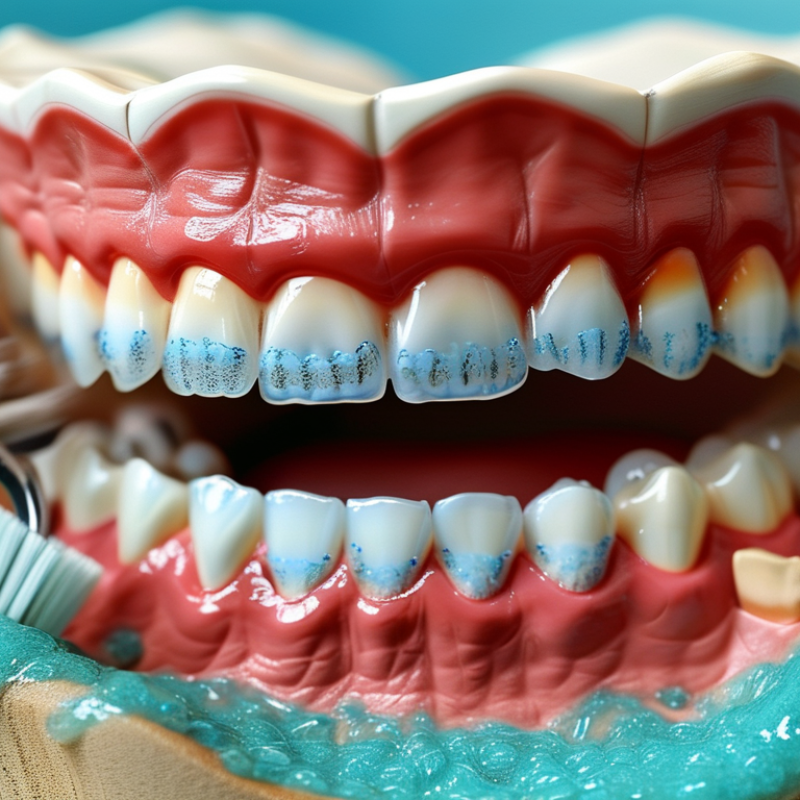
A consistent brushing and flossing routine protects more than your smile. Brush twice daily with fluoride toothpaste for about two minutes each time. Use gentle, small circles along the gumline, where plaque often hides. Angle the brush slightly toward your gums. Do not scrub hard. Pressure can irritate delicate tissue and wear enamel over time.
Remember the back teeth. They are easy to miss.
Floss once each day, preferably before brushing. Guide the floss carefully between teeth, then curve it around each tooth in a C shape. Slide it below the gumline without snapping. It may feel awkward at first.
I used to rush this step and often skipped the molars. That habit needed honest correction. A small routine works better than occasional perfection.
Set a two-minute timer if brushing feels too brief.
Replace a worn toothbrush every three months, or sooner when bristles spread.
After acidic foods or drinks, wait about thirty minutes before brushing.
Persistent bleeding, swelling, or pain deserves attention from a qualified dental professional.
Choose Effective Tools and Techniques for Oral Hygiene
A healthy smile depends more on technique than expensive equipment. The World Health Organization’s Global Oral Health Status Report 2022 estimates that oral diseases affect nearly 3.5 billion people worldwide. Daily plaque control remains essential. Use a soft-bristled toothbrush and fluoride toothpaste containing about 1,000–1,500 ppm fluoride. Brush twice daily for two minutes, especially along the gumline. Use gentle, short strokes. Hard pressure can irritate gums and wear enamel.
Clean between teeth once a day with floss or appropriately sized interdental brushes. Choose the tool that fits without forcing it. A water flosser may help people with braces, bridges, or limited hand control, but it should not replace professional advice. An alcohol-free fluoride rinse can support fluoride exposure, although rinsing immediately after brushing may wash away concentrated fluoride. Spit instead. Small details matter.
I used to brush harder, thinking clean meant spotless. That habit caused sensitivity. A timer, a mirror, and a consistent order can improve technique. Replace a brush when bristles splay, usually every three months. Clean removable appliances separately, and never share oral-care tools. The American Dental Association supports twice-daily fluoride brushing and daily interdental cleaning, while regular dental examinations identify decay or gum disease that home care may miss. WHO reports that untreated decay in permanent teeth affects about 2 billion people, so “no pain” is not reliable evidence of health. Your routine may also need adjustment.
Support Dental Health Through Smart Nutrition and Lifestyle Habits
A healthy smile is built at the table, not only in the bathroom. Added sugars feed acid-producing bacteria, which can weaken tooth enamel. The World Health Organization reports that untreated decay affects about 2.5 billion people worldwide. It recommends keeping free sugars below 10% of daily energy, with 5% offering additional protection. Choose water, plain yogurt, vegetables, beans, and crunchy fruit more often. Whole foods also provide minerals that support oral tissues. I still forget to drink water during busy afternoons.
Tips: Replace sweet drinks with water. Rinse your mouth after acidic foods. Do not brush immediately after acidic meals; wait about 30 minutes.
Daily habits matter just as much as nutrition. The American Dental Association advises brushing twice daily with fluoride toothpaste and cleaning between teeth each day. Use gentle, small circles near the gumline. A hard brush can irritate gums instead of cleaning better. The U.S. Centers for Disease Control and Prevention found that roughly one in four adults aged 20–64 had untreated cavities during 2017–2020. Regular dental visits can identify early decay, gum inflammation, or dry-mouth problems before they become painful. Visit timing should reflect personal risk, not a rigid calendar.
Tips: Keep floss beside your toothbrush. Limit frequent snacking. Replace a worn brush when bristles spread. A two-minute timer may help, though I sometimes stop early. Pay attention to bleeding gums, persistent sensitivity, or mouth sores, and seek professional assessment when these signs continue.
Recognize Warning Signs and Manage Common Oral Health Problems
Top 10 Dental Maintenance Tips for a Healthy Smile
Recognize Warning Signs and Manage Common Oral Health Problems
A healthy smile can change quietly. Bleeding while brushing, persistent bad breath, sensitivity, or a loose tooth deserves attention. These signs may indicate gingivitis, decay, an abscess, or advancing gum disease. Pain is not a reliable alarm. Early decay can remain painless. The World Health Organization’s Global Oral Health Status Report (2022) estimates 2.5 billion people have untreated caries in permanent teeth. That figure makes small symptoms harder to dismiss.
Look closely in good light. A dark spot, swollen gum, or sore lasting over two weeks needs a dental examination. Professional dental guidance recommends evaluating persistent mouth sores and unusual oral changes. Do not place aspirin on a painful tooth. It can irritate the tissue. Rinse gently with warm water, clean between teeth, and arrange care promptly. A cold compress may reduce facial swelling, but swelling with fever or trouble swallowing requires urgent medical help.
Daily maintenance remains practical. Brush twice daily with fluoride toothpaste. Clean between teeth. Limit frequent sugary drinks. Replace a worn toothbrush. The CDC’s 2017–2018 analysis found periodontitis in 42.2% of U.S. adults aged 30 and older. I still assume “no pain” means “no problem” too easily. That habit needs correcting.
Top 10 Dental Maintenance Tips for a Healthy Smile
Recognize Warning Signs and Manage Common Oral Health Problems
Recommended routine targets
Brushing with fluoride toothpaste twice daily and cleaning between teeth once daily are core preventive habits. Replace toothbrushes every three to four months, or sooner when the bristles become frayed. Dental visits should be scheduled according to individual risk and professional advice.
- Brush twice a day for two minutes with fluoride toothpaste.
- Clean between teeth once a day with floss or an interdental cleaner.
- Use a soft-bristled toothbrush and gentle pressure.
- Replace a toothbrush every three to four months or when bristles fray.
- Reduce frequent consumption of sugary foods and drinks.
- Drink water after meals and follow professional advice for fluoride use.
- Wear a properly fitted mouthguard during contact or high-impact sports.
- Avoid tobacco and nicotine products to reduce oral health risks.
- Seek dental care for persistent pain, swelling, bleeding, ulcers, loose teeth, or sensitivity.
- Keep regular dental appointments based on your oral health needs.
Schedule Professional Checkups and Maintain Long-Term Dental Care
Top 10 Dental Maintenance Tips for a Healthy Smile
Schedule Professional Checkups and Maintain Long-Term Dental Care
Professional checkups involve more than quick cleanings. A dentist examines your gums, enamel, bite, fillings, and hidden changes. Early care often means simpler treatment and less discomfort. Many adults benefit from visits every six months, but schedules should reflect individual risk. Gum disease, dry mouth, diabetes, pregnancy, or frequent cavities may require closer monitoring. Ask for a written recall plan.
Bring useful details to every appointment. Mention bleeding gums, sensitivity, jaw tension, new medicines, and dietary changes. A small symptom can guide a more accurate examination. Dental X-rays should follow clinical need, not routine habit. Keep copies of treatment notes when changing clinics. Clear records reduce repeated tests and missed history.
Long-term care happens between appointments. Brush twice daily with fluoride toothpaste, and clean between teeth every day. Replace a worn brush when bristles bend. Rinse after acidic drinks, but wait before brushing. I used to treat occasional flossing as enough. That was a poor assumption. Consistency matters more than intense cleaning before a visit. Set a phone reminder, keep floss near your toothbrush, and inspect your gums in bright light. Persistent bleeding deserves professional advice.
Top 10 Dental Maintenance Tips for a Healthy Smile - Schedule Professional Checkups and Maintain Long-Term Dental Care
| No. | Dental Maintenance Tip | Recommended Frequency | Why It Matters | Practical Action |
|---|---|---|---|---|
| 1 | Brush with fluoride toothpaste | Twice daily for about two minutes | Fluoride strengthens tooth enamel and helps prevent cavities, while brushing removes plaque from tooth surfaces. | Use a soft-bristled toothbrush, gentle pressure, and small circular movements along the gumline. |
| 2 | Clean between the teeth | Once daily | Floss or interdental cleaners reach areas a toothbrush cannot clean effectively, reducing plaque between teeth. | Use floss, dental tape, or an appropriately sized interdental brush; clean gently below the contact point. |
| 3 | Schedule professional dental checkups | At intervals recommended by a dental professional | Examinations can identify early signs of tooth decay, gum disease, worn restorations, and other oral problems. | Maintain regular appointments; visit sooner for persistent pain, swelling, bleeding, or sensitivity. |
| 4 | Limit frequent sugar exposure | Every day | Oral bacteria use sugars to produce acids that can weaken enamel and contribute to dental caries. | Reduce sugary snacks and drinks between meals, and choose water more often. |
| 5 | Drink fluoridated water when available | Throughout the day | Water helps rinse the mouth, supports saliva flow, and fluoride can help strengthen teeth. | Choose plain water instead of acidic or sugar-sweetened beverages whenever practical. |
| 6 | Protect teeth during sports | During contact or high-impact activities | A properly fitted mouthguard can help reduce the risk of chipped, fractured, or knocked-out teeth. | Wear a suitable mouthguard for activities with a risk of facial impact and replace it when damaged. |
| 7 | Avoid tobacco and nicotine products | Avoid consistently | Tobacco use increases the risk of gum disease, tooth loss, delayed healing, staining, and oral cancer. | Do not smoke or use smokeless tobacco; seek professional support when planning to quit. |
| 8 | Replace and store the toothbrush properly | Replace approximately every three to four months or sooner if bristles fray | Worn bristles clean less effectively and may irritate the gums. | Rinse after use, store upright to air-dry, and avoid sharing toothbrushes. |
| 9 | Manage dry mouth and acidic exposure | Daily awareness and whenever symptoms occur | Reduced saliva and frequent acid exposure can increase the risk of enamel erosion and tooth decay. | Sip water, avoid frequent acidic drinks, and ask a dental professional about persistent dry mouth. |
| 10 | Monitor changes in the mouth | Regularly, especially during daily brushing | Early attention to sores, lumps, discoloration, bleeding, or changes in comfort may support timely diagnosis. | Report unusual changes that do not heal within two weeks or that worsen over time. |
Consistent home care combined with individualized professional guidance supports long-term oral health.
Related Posts
-
Top 10 Tips for Effective Oral Health Care Practices?
-
China Top Dental Wellness Solutions for Global Buyers?
-
Why Is Dental Treatment Planning Crucial for Successful Outcomes?
-
Top 10 Tips to Boost Dental Health Awareness in China?
-
What is Driving Dental Wellness Trends in 2026?
-
How to Prepare for the Future of Dental Care Innovations?
362 five star Google reviews
193 five star Yelp reviews