2026 Best Dental Health Tips for a Healthy Smile
A healthy smile is built in ordinary moments: brushing beside the bathroom sink, choosing water after lunch, and noticing when a tooth feels different. In 2026, useful dental health tips still begin with proven basics, not expensive shortcuts. Brush twice daily with fluoride toothpaste, clean between your teeth, and keep regular dental visits. Small habits matter. But real life interrupts them. A rushed morning or a missed flossing session is not a reason to give up; it is a cue to restart and notice what makes the routine easier.
“Brush twice a day with a fluoride toothpaste and clean between your teeth once a day,” says Dr. Matthew Messina, an American Dental Association consumer adviser. These simple steps help reduce the risk of tooth decay and gum disease, though individual needs can differ. A soft-bristled brush, a pea-sized dab of toothpaste for adults, and a gentle two-minute brushing routine make the advice tangible. So does replacing a worn brush. This guide will explore daily care, food and drink choices, children’s oral health, and signs that deserve professional attention. It will also separate practical guidance from claims that sound too good to be true. One point deserves reflection: knowing the advice is not the same as following it consistently. A crowded schedule can make even a small habit hard to keep. The goal is progress, not a perfect smile overnight.
Assess Risk First: WHO Estimates 3.5 Billion People Have Oral Diseases
The World Health Organization estimates that about 3.5 billion people live with oral diseases. The figure includes conditions such as tooth decay and gum disease, which can develop quietly. A healthy-looking smile is not a full risk check. Small signs matter.
Risk can rise with frequent sugary snacks, dry mouth, tobacco use, or difficulty accessing dental care. Some causes are less obvious. Medicines, health conditions, and family history may also shape a person’s needs. Notice bleeding gums, sensitivity, persistent bad breath, or a tooth that hurts when biting. These clues deserve attention, but their absence does not guarantee that everything is well.
A practical routine starts with brushing twice daily using fluoride toothpaste and cleaning between teeth each day. Keep water nearby, especially after meals, and limit repeated sweet drinks or snacks. Book dental visits based on your needs and a professional’s advice; do not wait for pain to appear. If cost or access is a barrier, ask a local clinic about lower-cost services. Prevention sounds simple, but busy mornings and inconsistent habits get in the way. That is worth admitting. Small, repeatable steps are more useful than chasing a perfect routine.
2026 Best Dental Health Tips for a Healthy Smile
Assess risk first: WHO estimates that oral diseases affect about 3.5 billion people worldwide.
WHO estimates include about 3.5 billion people with oral diseases, 2.0 billion with untreated caries in permanent teeth, and 514 million children with caries in primary teeth. These groups overlap and should not be added together. Brush twice daily with fluoride toothpaste, clean between your teeth, and seek dental care for concerns.
Source: World Health Organization, Global Oral Health Status Report (2022); estimates refer to 2019.
Brush and Clean Daily: ADA Recommends Twice-Daily, Two-Minute Brushing
2026 Best Dental Health Tips for a Healthy Smile
Brush and Clean Daily: ADA Recommends Twice-Daily, Two-Minute Brushing
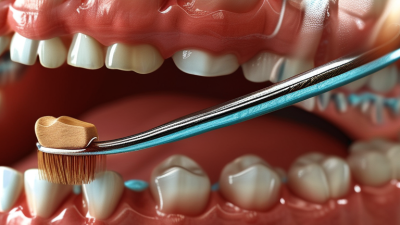
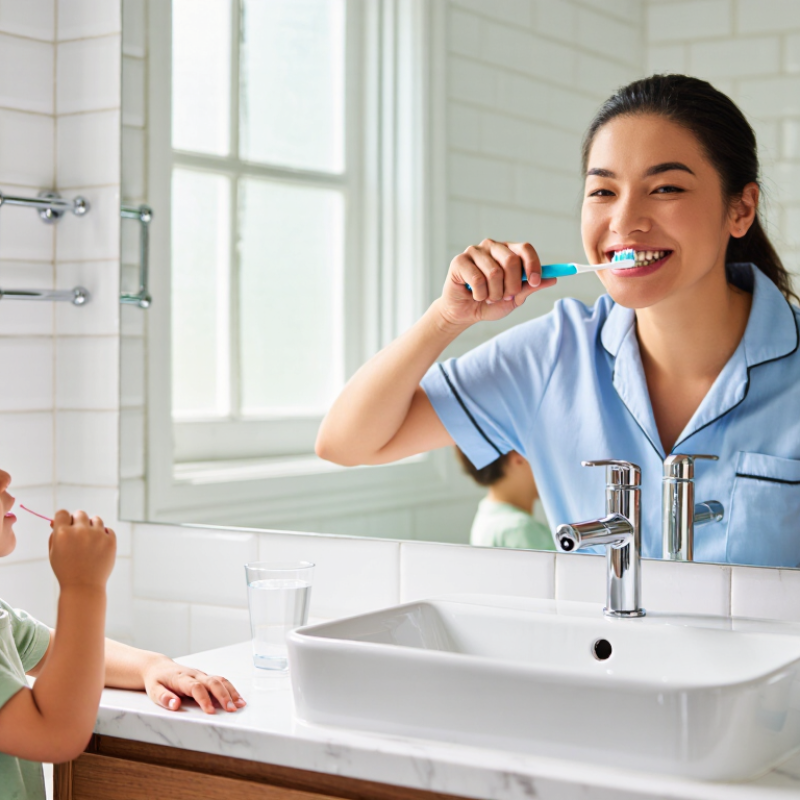
A healthy smile starts with a routine you can repeat. The American Dental Association recommends brushing twice daily for two minutes with fluoride toothpaste. Use a soft-bristled brush and gentle, short strokes. Angle the bristles toward the gumline, then clean the outer, inner, and chewing surfaces of each tooth. Two minutes matter. A timer can help, especially when brushing feels like one more rushed task before bed. Replace the brush every three to four months, or sooner if its bristles become frayed.
The World Health Organization’s 2022 Global Oral Health Status Report estimated that 2 billion people have cavities in their permanent teeth. That figure shows how common tooth decay is, though brushing alone cannot prevent every dental problem. Clean between teeth daily with floss or another suitable interdental cleaner; a toothbrush cannot reach every tight space. It is easy to rush, and tired evenings can disrupt even a good routine. If your gums bleed often, or brushing causes pain, ask a dental professional for advice rather than scrubbing harder.
Limit Sugar Frequency: WHO Sets Free Sugars Below 10% of Daily Energy
Free sugars include sugars added to foods and drinks, plus those naturally present in honey, syrups, and fruit juice. The World Health Organization recommends keeping them below 10% of daily energy intake. For someone eating 2,000 calories daily, that equals less than 50 grams, though personal energy needs vary.
This is an upper limit, not a target. WHO notes that staying below 5% may bring additional dental benefits.
For teeth, frequency matters as well as quantity. A sweetened coffee sipped all morning exposes teeth repeatedly, while having it with a meal limits the number of separate sugar exposures.
Choose water between meals, check labels on drinks and snacks, and keep sweet foods occasional.
An imperfect reality: busy days make convenience foods tempting, and labels can be confusing. Aim for fewer sugary moments, not an unrealistic promise to avoid every treat.
Brush twice daily with fluoride toothpaste, and ask a dental professional about advice suited to your own needs.
Prioritize Gum Care: CDC Reports Gum Disease in 46% of U.S. Adults
Healthy Smiles Start at the Gumline
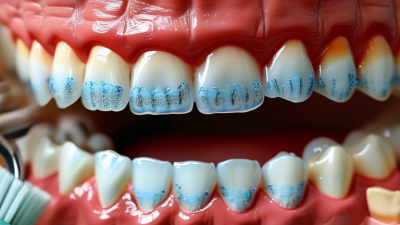
The CDC has reported that nearly 46% of U.S. adults aged 30 and older have some form of gum disease. Early disease may cause little pain, so a comfortable mouth is not always a clean bill of health. Watch for gums that bleed when you brush, persistent bad breath, tenderness, or gums pulling away from teeth. These signs deserve attention, not panic.
Small changes help. Brush gently for two minutes, twice a day, aiming the bristles along the gumline. Clean between teeth daily with floss or another suitable interdental cleaner; a toothbrush cannot reach every narrow space. If flossing makes your gums bleed, keep the motion gentle and ask a dental professional if bleeding continues. Don’t scrub harder. That can irritate tissue rather than improve cleaning. A rushed evening happens, but skipping the gumline repeatedly can let plaque build up. Regular dental checkups can catch problems before they become harder to manage, and your dentist or hygienist can show you a technique suited to your mouth. Personal routines vary, and even good habits are not a substitute for an exam.
2026 Best Dental Health Tips for a Healthy Smile — Prioritize Gum Care: CDC Reports Gum Disease in 46% of U.S. Adults
| Topic |
Evidence or Guidance |
Practical Tip |
Source |
| Gum disease prevalence |
About 46% of U.S. adults aged 30 years or older had some form of periodontitis; about 9% had severe periodontitis. These figures are based on U.S. national survey data collected during 2009–2012. |
Take gum health seriously at every age, and ask a dental professional about bleeding, tenderness, gum recession, or persistent bad breath. |
U.S. Centers for Disease Control and Prevention (CDC) |
| Brush regularly |
The American Dental Association recommends brushing twice a day for two minutes with fluoride toothpaste. |
Brush gently along the gumline, using a soft-bristled toothbrush. Replace the brush when its bristles become frayed. |
American Dental Association (ADA): Toothbrushes |
| Clean between teeth |
Daily cleaning between teeth helps remove plaque from areas a toothbrush may not reach. |
Clean between teeth once a day with floss or another interdental cleaner suited to your needs. |
American Dental Association (ADA): Floss and Other Interdental Cleaners |
| Understand plaque and gum disease |
Plaque buildup along the gumline can contribute to gingivitis, the early stage of gum disease. Gingivitis may cause red, swollen, or bleeding gums. |
Keep up daily brushing and between-teeth cleaning, and arrange a dental assessment if gum symptoms persist. |
National Institute of Dental and Craniofacial Research (NIDCR): Gum Disease |
| Know key risk factors |
Smoking is a major risk factor for gum disease. Diabetes is also associated with increased risk and can make gum disease harder to manage. |
Tell your dental professional about tobacco use and diabetes. If you smoke, seek support to quit; if you have diabetes, work with your healthcare team to manage blood glucose. |
CDC: Periodontal (Gum) Disease |
| Get individualized dental care |
The appropriate timing of dental visits depends on a person’s oral health needs and risk factors; one interval does not fit everyone. |
Ask your dental professional how often you need checkups and professional cleaning, especially if you have gum disease or other health conditions. |
NIDCR: Gum Disease |
Use Prevention Visits: Match Exams and Fluoride to Individual Risk
Prevention visits work best when they reflect your mouth, not just a calendar slogan.
A dentist may suggest more frequent exams if you have recent cavities, gum inflammation, dry mouth, braces, or trouble cleaning certain areas. Someone with healthy gums and few risk factors may need a different schedule. Your needs can change over time. Small details matter.
Fluoride advice should be personal, too.
Your dentist can ask about cavity history, drinking water, toothpaste use, and tooth sensitivity before discussing added fluoride. Options may include a professional application or another approach suited to your age and risk. More is not automatically better. Follow your clinician’s directions, especially for children.
Mention practical changes, such as a new medication, frequent snacking, pregnancy, or a dry feeling at night. These can affect risk, even when your teeth look fine in the mirror. Ask what the exam found and when to return. It is easy to forget questions in the chair, so jot them down beforehand. A little planning helps.
 362 five star Google reviews
 193 five star Yelp reviews