Top Fava Bean Protein Peptides Suppliers for Global Buyers
Global buyers are paying closer attention to plant-based nutrition, clean labels, and dependable supply chains. Fava Bean Protein Peptides are gaining interest because they offer concentrated plant protein with potential applications in sports nutrition, functional foods, and specialized formulations. However, supplier selection requires more than comparing prices on a spreadsheet. Product quality can vary between batches, origins, and processing methods.
Experienced buyers usually examine the supplier’s technical documentation first. A reliable company should provide a current certificate of analysis, amino acid data, microbiological results, and heavy metal testing. Solubility is also important. A peptide powder may look fine in a sample bag but perform poorly in a beverage or protein bar. Small details matter. Buyers should also confirm fava bean origin, allergen controls, traceability records, packaging conditions, minimum order quantities, and typical lead times. Recognized food safety systems and transparent manufacturing information add practical confidence, though certificates alone do not prove consistent performance.
This guide reviews leading Fava Bean Protein Peptides suppliers for international purchasing teams. It considers product specifications, customization support, production capacity, documentation, and communication quality. Supplier reputation was assessed through available technical evidence and realistic commercial factors. No supplier is perfect. Some may offer excellent purity but limited flexibility, while others provide attractive pricing with less established documentation. That difference deserves careful review. Global buyers should request samples, compare test results, and evaluate stability under actual application conditions before placing large orders. A thoughtful decision protects product quality, customer trust, and long-term supply continuity.
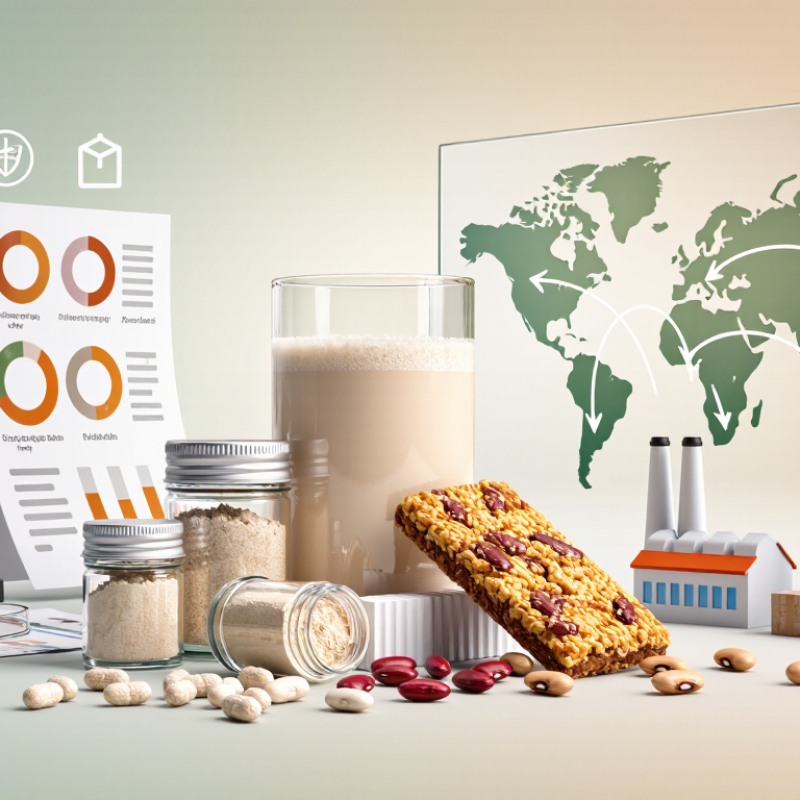
What Fava Bean Protein Peptides Are and Why They Matter
Fava bean protein peptides are short chains of amino acids created when fava bean protein is gently broken down through enzymatic hydrolysis. Their smaller size can improve dispersibility, water interaction, and formulation flexibility. However, peptide performance depends on the bean variety, processing conditions, and degree of hydrolysis.
This distinction matters to global buyers. A peptide powder may dissolve quickly in a beverage, while another may leave sediment or a noticeable earthy taste. Protein content alone does not explain these differences. Buyers should request laboratory data covering peptide distribution, amino acid composition, moisture, microbiological safety, and heavy-metal limits. Clear allergen statements and traceability records also support responsible purchasing.
Fava bean peptides may fit sports nutrition, functional foods, and protein-fortified drinks. They can help formulators build plant-based products with a lighter texture. Still, “high digestibility” is not a universal promise. Results can change after heating, mixing, or storage. Some materials may also contain naturally occurring antinutritional factors unless processing reduces them appropriately. That detail is easy to overlook. Reliable suppliers should explain their extraction method, testing frequency, batch consistency, and applicable food regulations. Buyers should compare actual certificates, not only polished specification sheets. I would also question unusually broad performance claims, because peptide science remains product-specific.
Top Fava Bean Protein Peptides Suppliers for Global Buyers
What Fava Bean Protein Peptides Are and Why They Matter
Fava bean protein peptides are short chains of amino acids produced when fava bean proteins are partially hydrolyzed. Compared with whole or dried beans, protein isolates provide a much higher protein concentration, while peptide ingredients are commonly evaluated for solubility, digestibility, amino acid quality, sensory performance, and application suitability. The values shown are representative nutrition data for common fava bean ingredient forms, not company-specific product specifications.
Reference basis: USDA FoodData Central values for mature fava beans and typical commercial fava bean protein isolate specifications. Actual values vary by cultivar, processing method, moisture level, and product grade.
Leading Supplier Types and Global Sourcing Regions
Global buyers should separate supplier types before comparing quotations. Integrated pulse processors control cleaning, dehulling, extraction, and hydrolysis, which can improve traceability. Peptide specialists offer tighter molecular-weight profiles and functional testing, but often depend on outside protein producers. Contract manufacturers suit pilot launches. Ingredient distributors provide regional stock, yet batch-level visibility may be weaker.
Regional sourcing needs equal care. FAOSTAT reported roughly 96 million tonnes of global pulse production in 2022, although fava beans are not always reported separately. China, Australia, Ethiopia, France, and the United Kingdom remain important fava-growing regions. Europe offers strong processing expertise and documentation, while Australia can provide large agricultural volumes. China has broad extraction capacity and competitive manufacturing costs. North American suppliers may simplify delivery into the United States and Canada, but local fava acreage is more limited. Check the origin twice. The OECD-FAO Agricultural Outlook 2024–2033 identifies continuing demand growth for pulses and plant proteins, supporting wider peptide sourcing. Still, market reports often combine fava, pea, and soy proteins. That weakens direct comparisons. Buyers should request amino-acid profiles, peptide-size distribution, allergen controls, heavy-metal testing, and recent certificates of analysis. A polished sales sheet is not enough. Ask for three consecutive batch records and verify whether the stated capacity is annual, monthly, or theoretical.
Manufacturing Standards, Certifications, and Documentation
For global buyers, a supplier’s manufacturing controls matter as much as its quoted protein content. Ask how fava beans are received, cleaned, processed, and protected from cross-contact. Clear procedures should cover sanitation, staff hygiene, equipment maintenance, and batch identification. Good systems leave a trail.
Certifications such as HACCP-based food safety programs or ISO 22000 can indicate structured controls, but a certificate alone does not prove every shipment meets your specifications. Check its scope, issuing body, validity dates, and whether the listed facility actually makes the peptides. Requirements vary by market and application. Confirm them before purchase.
Request a batch-specific certificate of analysis with protein content, moisture, microbiological results, and any agreed contaminant tests. Ask for the test methods and acceptance limits, not just a page of results. Useful supporting records may include a product specification, allergen and cross-contact statement, ingredient declaration, traceability details, and shelf-life or storage guidance. Paperwork can look complete and still leave a gap. Compare the lot number across the bag label, analysis, and shipping documents. If peptide composition or functional performance affects your formulation, request relevant technical data and verify it with your own trial. Supplier documents are a starting point, not a substitute for checking how the ingredient behaves in your process.
Comparing Prices, Shipping Terms, and Supplier Reliability
Fava bean protein peptide prices are difficult to compare when suppliers quote different specifications. Ask for the peptide content, protein level, moisture limit, mesh size, and test method. Compare the cost per usable kilogram, not just the quoted price per bag. Request separate costs for packaging, documentation, and freight. A low quote may exclude important services.
Shipping terms can change the landed cost and delivery risk. Confirm the named delivery point, who handles export paperwork, and when responsibility transfers. For sea freight, ask about moisture barriers and expected transit time; damp conditions can damage powdered ingredients. Air freight may suit small trial orders, but it can raise costs quickly. Check whether the supplier can provide a representative sample before a larger shipment.
Reliability needs evidence, not confident language. Request a recent certificate of analysis, lot identification, and details on how batches are tested. Ask for written lead times and how delays or specification failures are handled. A clear answer is useful. A prompt reply alone does not prove consistent quality. I would still verify this twice: documents can be complete while actual shipments vary. Compare references, sample results, and delivery records where available, then keep the agreed specifications in the purchase order.
Top Fava Bean Protein Peptides Suppliers for Global Buyers - Comparing Prices, Shipping Terms, and Supplier Reliability
| Supplier Profile | Typical Supply Region | Product Form | Indicative Price Range
(USD/kg) | Minimum Order
(kg) | Common Incoterms | Typical Lead Time | Standard Documentation | Reliability Indicator | Best Fit for Buyers |
| Profile A | Western Europe | Hydrolyzed fava bean protein peptides, spray-dried powder | 9.50–16.00 | 500–1,000 | FOB, CIF, DAP | 4–8 weeks | COA, allergen statement, specification sheet, SDS, microbiological report | High
Batch traceability and regular third-party testing commonly available | Premium nutrition, clinical, and food applications |
| Profile B | Central and Eastern Europe | Enzymatically hydrolyzed peptide powder, standard grade | 7.50–12.50 | 1,000–2,000 | FCA, FOB, CIF | 3–7 weeks | COA, allergen statement, origin declaration, food-safety certificate | High–Medium
Competitive pricing with dependable regional logistics | Large-volume food and beverage manufacturers |
| Profile C | North America | Peptide-rich fava bean protein hydrolysate, fine powder | 11.00–18.00 | 250–1,000 | EXW, FCA, DDP | 4–10 weeks | COA, non-GMO statement, allergen declaration, heavy-metal and pesticide reports | High
Strong regulatory support and responsive technical service | Brands requiring local inventory and documentation support |
| Profile D | East Asia | Customized fava bean peptide blend, spray-dried | 6.50–11.50 | 500–2,000 | FOB, CIF, CFR | 5–9 weeks, excluding product development | COA, technical data sheet, allergen statement, stability data on request | Medium
Flexible customization; buyers should verify consistency by pilot batches | Private-label and formulation-development projects |
| Profile E | Mediterranean region | Food-grade fava bean protein hydrolysate | 7.00–13.00 | 1,000–3,000 | FOB, CIF, CFR | 4–8 weeks | COA, origin certificate, allergen statement, microbiological report | Medium–High
Good access to pulse raw materials and established export routes | Cost-sensitive regional and export food production |
| Profile F | South Asia | Standard fava bean peptide powder, industrial grade | 5.50–9.50 | 1,000–5,000 | FOB, CFR, CIF | 6–12 weeks | COA and basic microbiological report; additional tests may incur charges | Medium
Low-cost option; pre-shipment inspection and sample approval are advisable | High-volume applications with strict cost targets |
Data note: Price ranges are indicative market benchmarks for bulk fava bean protein hydrolysates or peptide powders and vary by protein content, degree of hydrolysis, enzyme system, testing requirements, packaging, order volume, and destination. Freight, duties, taxes, and customized formulation charges are generally excluded. Buyers should confirm current quotations, certifications, specifications, sample results, and shipping terms directly before placing an order.
 362 five star Google reviews
 193 five star Yelp reviews