China Top Sealing Mats Suppliers How to Choose?
Choosing China Top Sealing Mats Suppliers How to Choose? sounds simple, but sourcing decisions rarely are. Sealing Mats protect flanges, covers, pipe joints, and machinery from leaks, vibration, heat, and chemical exposure. The correct supplier must understand more than price. They should match the material, thickness, hardness, temperature range, compression behavior, and surface conditions. A rubber mat may suit water service, yet fail beside hot oil. That detail matters. Experienced buyers inspect drawings, sealing environments, and installation habits before requesting quotations. They also ask for samples cut from actual production material, not only polished showroom pieces.
A reliable China supplier should provide clear specifications, batch traceability, inspection records, and practical technical support. Ask how raw materials are tested, how dimensions are controlled, and how defective pieces are handled. Independent testing can confirm tensile strength, compression recovery, chemical resistance, and operating temperature. Certificates help, but certificates alone prove little. Verify their scope, date, and connection to the supplied product. Factory visits, video audits, and small trial orders can reveal packing quality, cutting accuracy, and response speed. Communication is evidence too. Slow answers often become slower problem-solving later. Still, no checklist is perfect. Even experienced teams can overlook storage conditions or installation pressure. A thoughtful selection process combines supplier experience, application knowledge, documented quality, and honest risk review. The cheapest quotation may become expensive after leakage, downtime, or repeated replacement. Choose evidence over promises, and performance over impressive brochures.
What Are Sealing Mats and Where Are They Used?
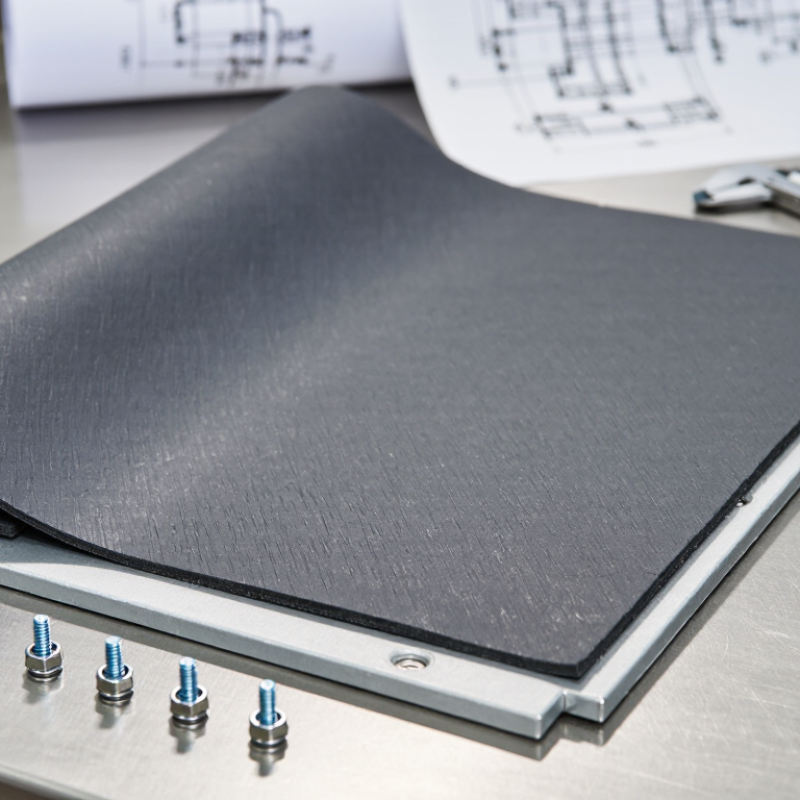
Sealing mats are flexible sheets or molded pads that close gaps between two surfaces. They limit leaks, vibration, dust, and chemical entry. Common materials include rubber, silicone, graphite, cork, and fiber composites. Each material behaves differently under heat, pressure, oil, and movement.
These mats appear in pipe flanges, pumps, compressors, heat exchangers, electrical cabinets, vehicle doors, and HVAC units. In compressed-air systems, poor sealing can waste 20–30% of generated air, according to the U.S. Department of Energy’s Compressed Air Sourcebook. A small flange leak may sound harmless. Over months, it can raise energy costs and shorten equipment life. Material thickness also matters. A mat that is too thin may not fill surface marks, while excessive thickness can disturb bolt loading.
Tips: Ask for temperature, pressure, fluid, and surface-finish data before choosing a supplier. Request test results for compression set, tensile strength, and chemical resistance. ASTM and ISO test methods improve comparison, but they do not replace actual service trials. Field conditions are often less predictable than drawings suggest. A perfect sealing mat does not exist. Installation quality still controls performance. According to industrial sealing guidance, correct bolt tightening and clean flange surfaces are essential for stable sealing. Suppliers with documented batch control, traceability, and application experience deserve closer review.
Why Choose China for Sealing Mats Manufacturing?
China has a mature manufacturing network for sealing mats and related rubber components. Raw material processors, mold makers, testing laboratories, and packaging suppliers often operate within the same region. This shortens development time and makes technical communication more practical. Engineers can adjust thickness, hole spacing, hardness, or edge profiles with fewer delays.
Many Chinese factories work with silicone, EPDM, NBR, and other application-specific materials. They can provide samples for compression, temperature resistance, tensile strength, and oil exposure testing. Detailed inspection records may include dimensions, surface defects, hardness, and batch traceability. These records help buyers compare production results instead of trusting appearance alone.
The lowest quotation is not always the best choice. Some early samples may show uneven edges or slight dimensional changes. That is not a failure to hide; it is a signal to review tooling and process control. Experienced buyers should request drawings, material data, sample reports, and a small trial order. Factory audits also matter. Check storage conditions, calibration records, worker training, and final inspection procedures. China offers strong production flexibility, but reliable results still depend on clear specifications and steady cooperation.
How to Evaluate China’s Top Sealing Mats Suppliers
China Top Sealing Mats Suppliers: How to Choose
When evaluating China’s top sealing mats suppliers, begin with technical fit, not attractive pricing. Request material specifications, hardness ranges, temperature limits, and chemical resistance data. Ask whether the supplier understands your equipment, pressure levels, and working environment. A reliable supplier should explain tolerance limits in clear, practical language. Request production samples made from the same material and process as bulk orders. Small details matter. Check edge quality, thickness consistency, surface finish, and compression recovery. These features often reveal more than a polished catalog.
Review the supplier’s quality system and traceability procedures. Confirm whether incoming materials, molding conditions, and finished mats receive documented inspections. Independent laboratory reports can support claims about performance, but verify report dates and test methods. Certifications may help, yet they should match your application rather than decorate a sales file. Ask for batch numbers, inspection records, and a written response process for defects. I have learned that fast replies do not always indicate strong engineering support. Specific answers matter more.
Before placing a large order, inspect the facility or arrange a qualified third-party audit. Evaluate equipment condition, worker training, storage practices, and packaging protection. Discuss tooling ownership, replacement plans, minimum quantities, lead times, and shipping documents. A supplier should identify possible production risks before accepting the order. Do not rely on one successful sample. Test several pieces under realistic conditions when possible. My own mistake was trusting appearance too quickly; the mat looked perfect but compressed unevenly. That experience changed how I compare suppliers. Reliability grows through evidence, repeated communication, and controlled testing.
Which Materials and Standards Should You Compare?
Choosing among China’s top sealing mat suppliers requires more than comparing prices. Material selection should match the fluid, temperature, pressure, and flange design.
NBR suits many oil-based applications, while EPDM performs better with water, steam, and weather exposure. PTFE offers strong chemical resistance but may creep under high compression. Graphite handles elevated temperatures, yet it needs careful installation and suitable flange control. Aramid-fiber sheets can balance strength, sealing performance, and cost. No material wins every test.
Compare measurable standards, not vague product claims. ASTM F104 can help classify gasket materials and construction. ASME B16.21 supports dimensional requirements for nonmetallic flat gaskets. EN 13555 provides useful performance data, including leakage, compression, and recovery. Ask suppliers for recent test reports, material certificates, thickness tolerances, and batch traceability. A certificate without test conditions is incomplete evidence. This point is often overlooked.
Tips: Request small samples before bulk purchasing. Check hardness, density, and surface finish. Test the mat with your actual medium when possible. Review temperature ratings carefully, because marketing limits may exceed practical service conditions. Keep installation records, including bolt torque and flange condition. Sometimes the supplier is reliable, but the selected thickness is wrong. That deserves reflection.
How to Select the Right Supplier for Your Project
Choosing the right sealing mat supplier starts with your project conditions, not a catalog price. Define the media, operating temperature, pressure, flange size, and installation environment. A mat suitable for dry indoor equipment may fail beside hot oil, steam, or outdoor moisture. Small details matter.
Ask suppliers for material data sheets, dimensional tolerances, test methods, and batch traceability. Reliable manufacturers should explain how they control thickness, surface finish, cutting accuracy, and storage conditions. Request samples from the same production material, then test them with your actual flange and fluid where possible. Ask for evidence.
During supplier evaluations, I look closely at response quality. Can the technical team identify risks before receiving an order? Do they confirm drawings instead of guessing? Clear answers often reveal stronger process control. Check production capacity, inspection records, packaging, and realistic lead times. A low quotation means little if replacement parts arrive late.
Supplier audits can include a factory visit, video inspection, or review of quality documents. Confirm whether rejected batches are investigated and corrected. Some suppliers provide impressive certificates but weak follow-up. That deserves attention. I have also seen buyers specify hardness and temperature limits too loosely, then blame the mat after installation. Your specification should state acceptance criteria, labeling, storage life, and change-notification requirements. A dependable supplier will question unclear requirements rather than quietly accept them.
362 five star Google reviews
193 five star Yelp reviews